
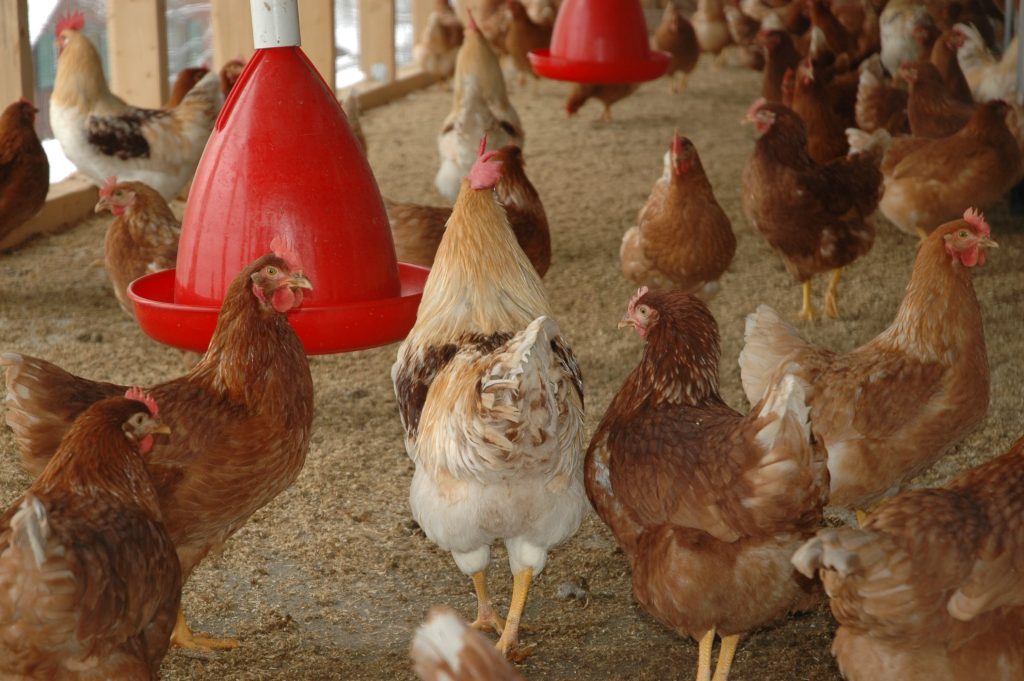
The Anakwenze Foundation has recently launched an ambitious project focused on large-scale chicken rearing, aiming to significantly enhance the meat supply while simultaneously addressing unemployment issues in the region. Here’s an overview of how this initiative plans to transform the poultry landscape:
Meeting Market Demands
The primary goal of this project is to meet the ever-growing demand for chicken meat, which remains one of the most consumed proteins worldwide. By scaling up production, the Anakwenze Foundation intends to stabilize the market supply, potentially reducing prices and making chicken more accessible to lower-income families.
Job Creation at the Core
Central to this initiative is the creation of numerous job opportunities. From farm hands, veterinarians, to logistics personnel, the project will open up a wide array of positions. This not only helps in reducing unemployment but also aids in skill development among the workforce, contributing to the overall economic upliftment of the area.
Technological Integration in Poultry Farming
To ensure efficiency and high yield, the foundation is integrating modern technology into chicken rearing. This includes automated feeding systems, climate-controlled environments, and health monitoring systems that can predict and prevent disease outbreaks, thus safeguarding both the poultry and the investment.
Sustainable Practices
Sustainability is a key component of the initiative. The Anakwenze Foundation is implementing eco-friendly practices like solar-powered facilities, water recycling systems, and utilizing chicken waste as organic fertilizer. These practices not only reduce the environmental footprint but also appeal to eco-conscious consumers.
Community Engagement and Training
Recognizing the importance of community involvement, the foundation plans to offer training sessions for local farmers. These sessions will cover best practices in chicken rearing, disease management, and the latest in poultry farming technology, ensuring that the knowledge spreads and benefits the broader community.
Economic Ripple Effects
The increase in local chicken production is expected to have a multiplier effect on the economy. By sourcing materials and services locally, the project supports ancillary businesses like feed suppliers, equipment manufacturers, and transportation services, thereby stimulating economic activity far beyond the farm gates.
Challenges in Scaling Up
While the project promises numerous benefits, it also comes with its set of challenges such as ensuring biosecurity, managing large-scale operations, and navigating market volatility. The foundation is prepared to tackle these through strategic partnerships, ongoing research, and adaptive management practices.
Nutritional Impact
By making chicken more available and affordable, the project aims to improve the nutritional intake of the local population. Chicken provides essential nutrients like high-quality protein, vitamins, and minerals, which are crucial for health, particularly in developing regions.
Cultural and Dietary Integration
The Anakwenze Foundation also plans to work on integrating chicken into the local cuisine more deeply. Workshops, recipe contests, and collaborations with local chefs are on the agenda to make chicken a staple in daily meals, thereby ensuring the project’s cultural acceptance.
Vision for the Future
Looking forward, the foundation sees this chicken rearing project as a stepping stone for further agricultural innovations. If successful, the model could be expanded or adapted for other types of poultry or even different agricultural sectors, potentially setting a benchmark for how non-profits can drive economic and nutritional improvements through targeted agricultural initiatives.