The Anakwenze Foundation has recently announced an ambitious aquaculture program, marking a significant step into the realm of fish farming. This initiative not only aims to cultivate a diverse range of fish species but also focuses on the specific needs of the market with a special catfish hatchery. Here’s how this project plans to make waves in both economic and environmental terms:
Diverse Fish Cultivation
The project involves rearing fish of various sizes to cater to different market segments, from small fish for local consumption to larger species for commercial sale. By diversifying the types of fish, the foundation ensures that it can meet a wide array of consumer preferences while also promoting biodiversity in aquaculture practices.
Special Focus on Catfish
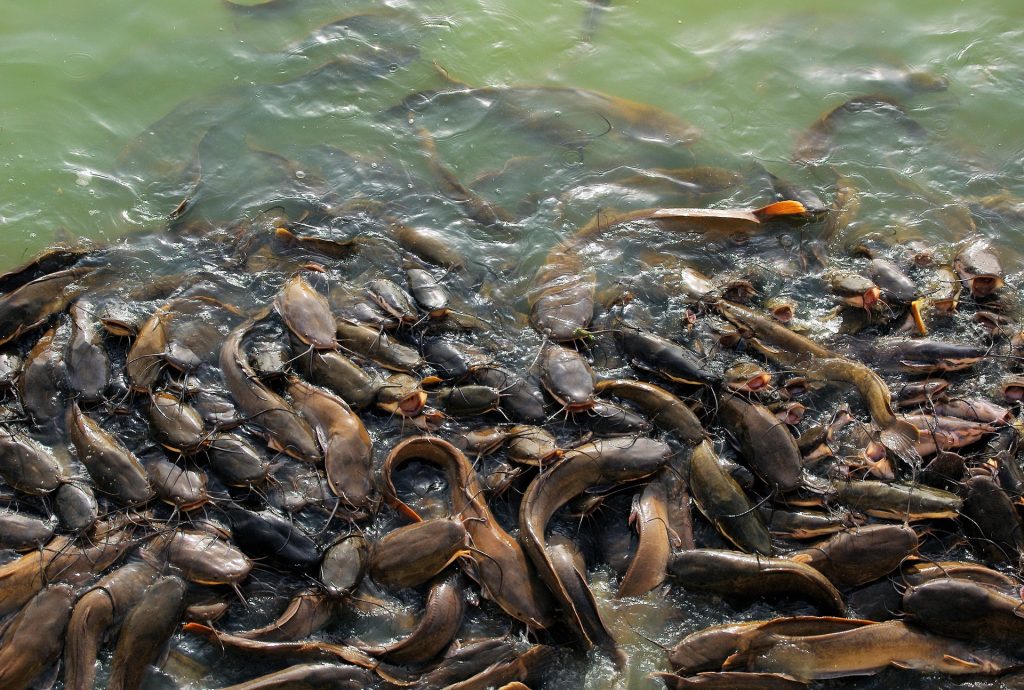
Catfish, known for its popularity in many cuisines and its adaptability to aquaculture environments, is at the heart of this initiative. The foundation plans to establish a state-of-the-art hatchery for catfish, focusing on breeding programs that enhance growth rates, disease resistance, and overall quality, thereby setting a new standard in catfish production.
Employment Opportunities Afloat
Aquaculture is labor-intensive, and this project is set to become a significant source of employment. From fish health specialists, hatchery workers, to administrative roles, the Anakwenze Foundation’s initiative will offer numerous job opportunities. This not only aids in reducing unemployment but also helps in skill development within the community.
Sustainable Aquaculture Practices
Sustainability is key to the foundation’s approach. The project includes the implementation of eco-friendly practices like integrated aquaculture systems, where waste from fish is used to fertilize plants, and the use of renewable energy sources to power facilities. This approach minimizes environmental impact while maximizing resource efficiency.
Economic Impact on Local Communities
By establishing local fish farms, the foundation aims to stimulate local economies. The project will encourage ancillary businesses, from feed production to transportation and processing, creating a ripple effect that benefits the broader community. Moreover, it reduces dependence on imported fish, keeping economic benefits local.
Educational Outreach
To ensure the longevity and success of the aquaculture initiative, the Anakwenze Foundation plans to engage in educational outreach. This includes workshops and training sessions for existing and aspiring fish farmers, covering topics from water quality management to business operations in aquaculture.
Addressing Market and Environmental Challenges
The venture into aquaculture isn’t without its challenges, including water management, disease control, and fluctuating market demands. The foundation is addressing these through research partnerships, investing in technology for water recycling and filtration systems, and developing robust marketing strategies to ensure stable demand.
Cultural Integration of Fish in Diets
Recognizing the need for cultural adaptation, the foundation will also work on promoting fish consumption where it might not be traditionally popular. By organizing culinary events, sharing recipes, and working with local chefs, the initiative aims to make fish a staple in the local diet, thus ensuring market sustainability.
Future Prospects of the Initiative
Looking ahead, the Anakwenze Foundation sees this aquaculture program as a pilot project that could be expanded or replicated. Success in this sector could lead to ventures into marine aquaculture or the cultivation of other aquatic species, potentially transforming the region’s dietary habits and economic landscape.
A Model for Sustainable Development
This aquaculture initiative by the Anakwenze Foundation could serve as a model for sustainable development through agriculture. By combining job creation, economic growth, environmental stewardship, and nutritional improvement, the project embodies the foundation’s vision of holistic community development through innovative agricultural practices.