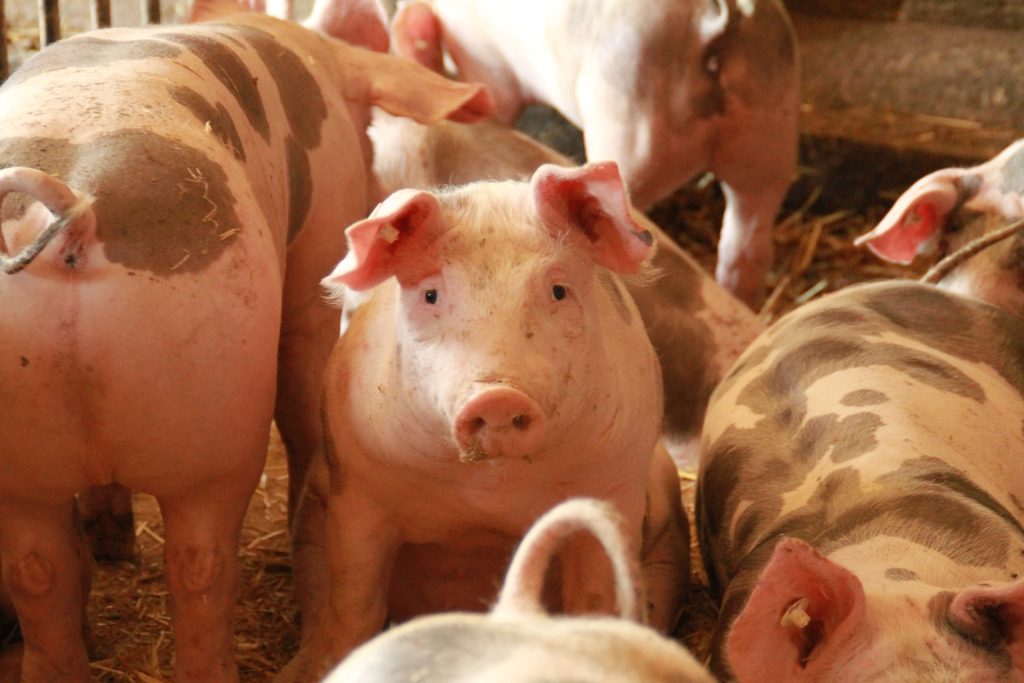
In a strategic move to diversify its agricultural initiatives, the Anakwenze Foundation has recently launched an expansive piggery project. This venture is not only aimed at increasing the pork supply in the region but also at creating substantial employment opportunities, thereby fostering economic development within local communities. Here’s an in-depth look at how this project is unfolding:
From Piglets to Pork
The core of the project involves the rearing of piglets until they are market-ready. By managing the entire lifecycle of the pigs, the foundation ensures control over the quality and quantity of pork produced. This approach guarantees that consumers receive pork that meets health and safety standards, while also providing a consistent supply to the market.
Creating Jobs Across the Board
The piggery project is structured to create various job roles ranging from animal husbandry, veterinary care, to management and sales. This initiative is particularly significant in regions where job opportunities might be scarce, offering not just employment but also vocational training in agricultural practices related to pig farming.
Local Economic Boost
By establishing a local piggery, the Anakwenze Foundation aims to reduce the reliance on imported pork products. This not only helps in cutting down transportation costs and carbon footprints but also stimulates the local economy by keeping the spending within the community. Increased local production means more business for local feed suppliers, equipment manufacturers, and other related services.
Enhancing Community Access to Protein
Pork is a significant source of protein, and through this project, the foundation seeks to make it more accessible to local populations. By increasing the availability of affordable pork, Anakwenze Foundation contributes to the nutritional well-being of the community, potentially reducing malnutrition rates in areas where protein sources are limited.
Sustainability in Agriculture
The foundation is also committed to sustainable farming practices within the piggery. This includes waste management systems that convert pig manure into biogas or fertilizer, reducing environmental impact and providing additional resources for the community. Sustainable practices ensure that the land remains fertile and the ecosystem is preserved for future generations.
Education and Training Programs
Understanding the importance of knowledge transfer, the foundation plans to implement training programs for local farmers. These programs will focus on modern pig rearing techniques, health management, and efficient business operations. By empowering farmers with knowledge, the project aims to increase the overall efficiency and success rate of small-scale pig farming in the region.
Challenges and Solutions
Every new venture faces its set of challenges, and the piggery project is no exception. Issues like disease control, market fluctuations, and initial capital investment are being addressed through partnerships with agricultural experts, investment in robust infrastructure, and the establishment of a contingency fund.
Cultural Integration
The introduction of more pork into the local diet might also require cultural adaptation. The foundation plans to work with community leaders and chefs to integrate pork into traditional recipes, making it more appealing and acceptable to the local palate, thus ensuring the project’s acceptance and success.
Future Expansion
Looking ahead, the Anakwenze Foundation envisions scaling up this project. If successful, there’s potential for replication in other regions or even internationally, serving as a model for how community-focused agricultural projects can lead to broader socio-economic benefits.
A Catalyst for Development
The piggery project by the Anakwenze Foundation stands as an evidence to how targeted agricultural initiatives can act as catalysts for comprehensive community development. By focusing on piggery, the foundation not only aims to fill a gap in meat supply but also to weave a fabric of economic stability, nutritional health, and environmental sustainability in the communities it serves.