In a significant move towards agricultural innovation and economic empowerment, the Anakwenze Foundation has unveiled an ambitious project centered on turkey rearing. This initiative not only aims to diversify the meat supply in local markets but also to foster job creation in the poultry sector. Here’s how this project is set to make an impact:
Diverse Breeds for Diverse Needs
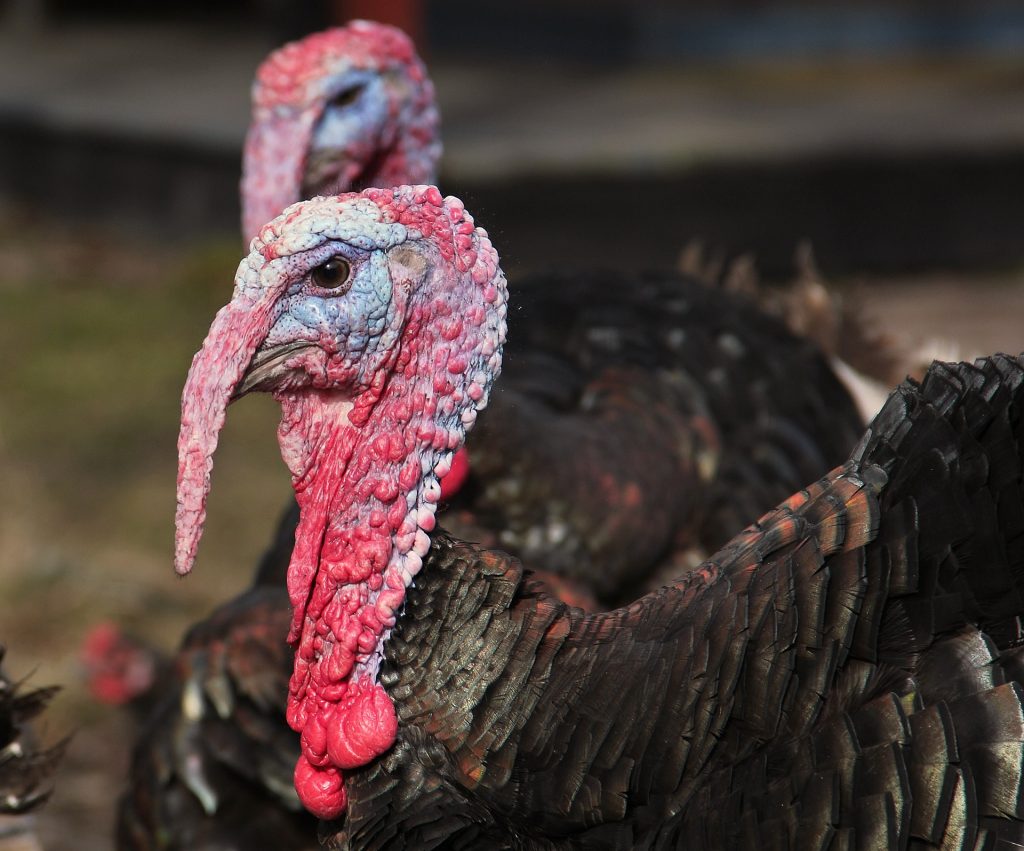
The foundation has embarked on the rearing of turkeys that vary in size and color, showcasing a commitment to biodiversity within poultry farming. By nurturing different breeds, the Anakwenze Foundation ensures a robust genetic pool, which can lead to healthier and more resilient turkey populations. This approach not only caters to various consumer preferences but also enhances the sustainability of turkey farming.
Boosting Local Meat Supply
One of the primary goals of this initiative is to increase the availability of turkey meat. In regions where turkey might not be as commonly consumed as other meats, the Anakwenze Foundation sees an opportunity to introduce or increase this protein source in the diet of the populace. Turkey meat is known for its nutritional benefits, including high protein content and lower fat levels, making this project beneficial for public health as well.
Employment and Economic Growth
The turkey rearing project isn’t just about agriculture; it’s a catalyst for job creation. From farm workers, who will manage the day-to-day care of the turkeys, to positions in processing, distribution, and marketing, this initiative promises to open up numerous employment avenues. By doing so, the Anakwenze Foundation contributes directly to reducing unemployment rates and enhancing economic stability in the communities it operates within.
Educational Outreach and Training
To ensure the success of this endeavor, the foundation plans to implement training programs for new and existing farmers. These programs will cover modern turkey farming techniques, disease management, and efficient business practices. This educational component aims to equip local farmers with the knowledge and skills needed to succeed in turkey rearing, thereby ensuring the project’s long-term viability.
Sustainability and Environmental Considerations
The Anakwenze Foundation’s project also emphasizes sustainable farming practices. By focusing on local sourcing for feed and reducing the carbon footprint associated with transporting meat, the initiative aims to be environmentally friendly. Moreover, sustainable practices in turkey rearing could lead to better land use, less waste, and a healthier ecosystem around the farms.
Community Integration and Cultural Impact
This initiative is set to integrate deeply with local communities, potentially reviving or introducing turkey in cultural festivals and traditional dishes. By doing so, it not only promotes turkey consumption but also celebrates local culture, making the project a part of the community’s identity.
Market Expansion and Consumer Education
An integral part of this project involves expanding the market for turkey products. The foundation plans to launch consumer education campaigns to highlight the benefits of turkey meat, including its versatility in cooking. This could lead to increased demand, supporting the economic side of the initiative by ensuring there’s a market for the increased supply.
Challenges and Future Prospects
While the project holds much promise, it also faces challenges such as market acceptance, disease control, and ensuring consistent quality. However, with strategic planning, partnerships with veterinary services, and ongoing research, the Anakwenze Foundation is poised to overcome these hurdles, aiming for a future where turkey farming becomes a staple in agricultural practices.
A Model for Other Foundations
The Anakwenze Foundation’s turkey rearing initiative could serve as a model for other non-profits and agricultural organizations globally. By demonstrating how focused agricultural projects can lead to broader economic benefits, improve health, and support community development, this project might inspire similar ventures worldwide, marking a significant step forward in the realm of sustainable agriculture and rural development.